Manta Point Komodo: Snorkelling with Manta Rays at Karang Makassar
Manta Point Komodo, known locally as Karang Makassar, is one of the most reliable places in Indonesia to snorkel with reef manta rays. Here is how the drift snorkel works, when to go and how to swim with mantas responsibly.
Quick facts
| Location | Karang Makassar, east of Komodo Island, Komodo National Park |
|---|---|
| Boat time from Labuan Bajo | About 1 hour by speedboat |
| What you see | Reef manta rays, often several at once; turtles and reef fish |
| Type of activity | Drift snorkel over a shallow reef and rubble plateau |
| Best season | Mantas are seen year-round; the wet season (roughly December–March) is often best |
| Swimming level | Confident swimmers; life jackets available |
Why Manta Point Komodo is special
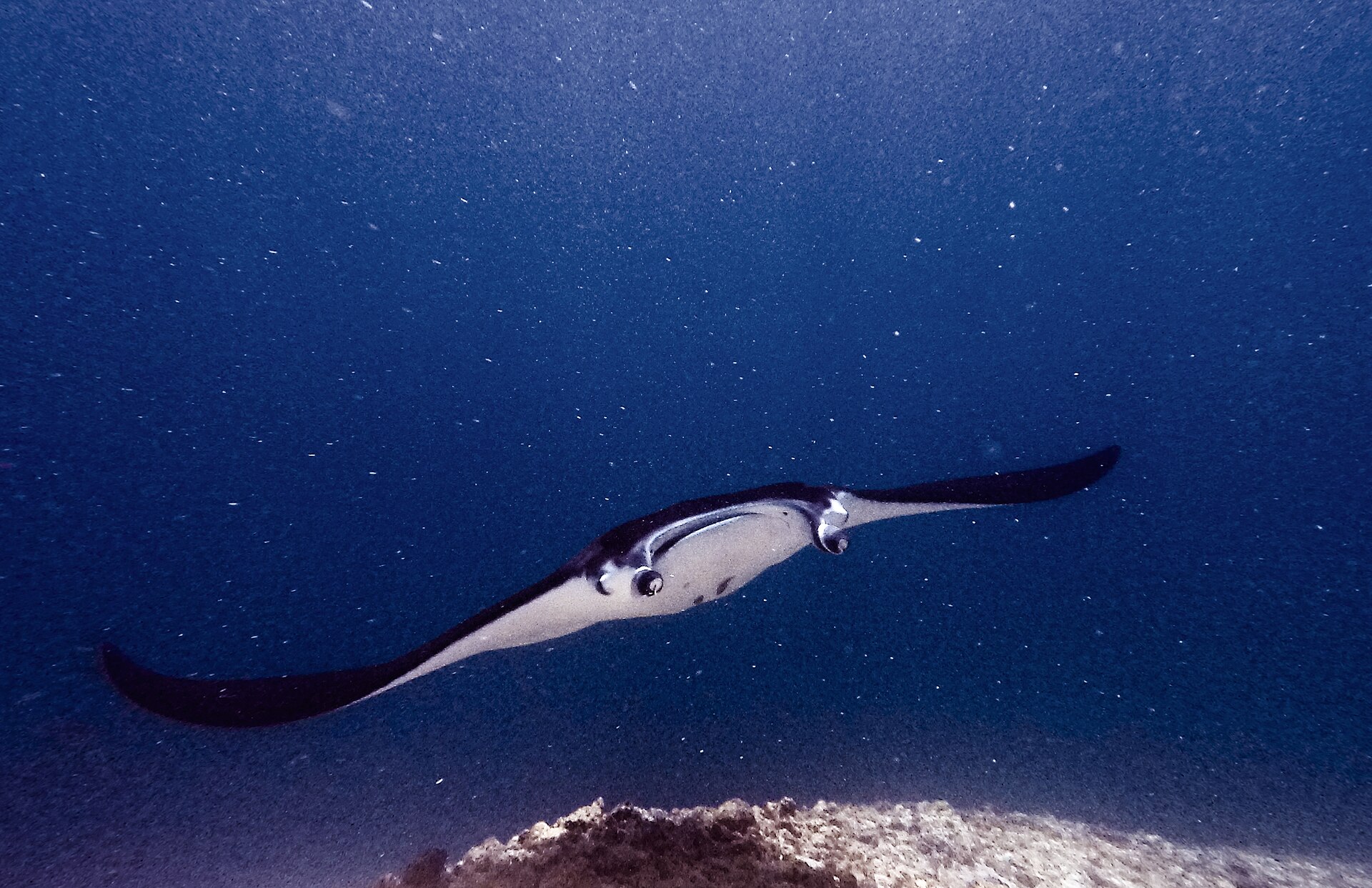
Manta Point Komodo is the name tour boats use for Karang Makassar, a long, shallow reef in the channel east of Komodo Island. It is one of the best places in Indonesia to see reef manta rays without diving: mantas with wingspans of three metres or more glide just a few metres below the surface, close enough to see every detail from your mask.
Reef mantas (Mobula alfredi) are gentle filter feeders that eat plankton. They are completely harmless to people, have no stinging barb, and are fully protected in Indonesian waters. Watching a group of them circle beneath you is often the moment people remember most from a Komodo trip.
How the drift snorkel works
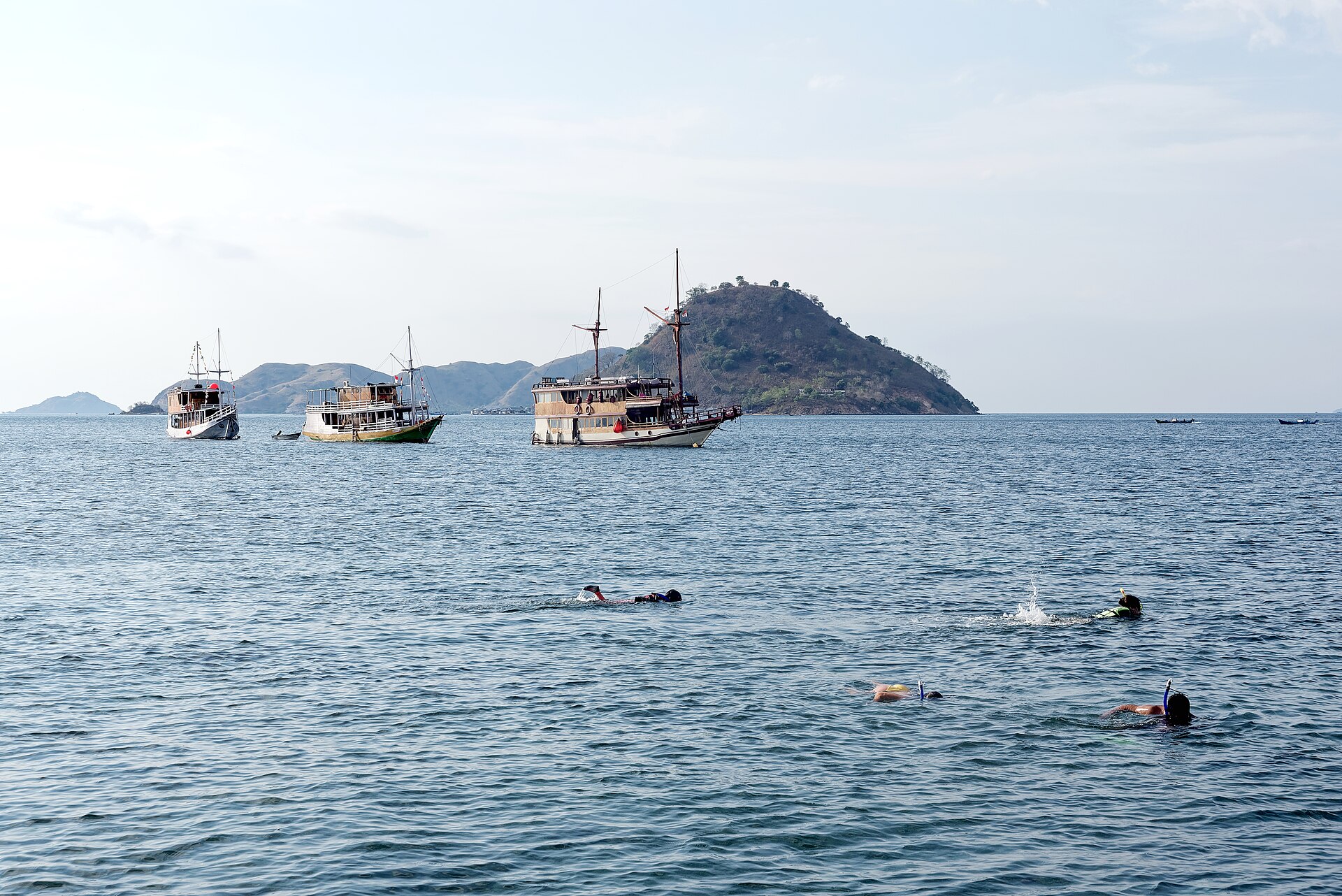
Manta Point is a drift snorkel. Karang Makassar sits in a channel where tidal currents run across a wide plateau of sand, rubble and patchy coral, between about 3 and 10 metres deep. The boat drops you upstream, you float with the current over the plateau, and the boat follows and picks you up further along. You do not need to swim hard; the current does the work.
Your guide or crew watches from the boat or the water and points out mantas as they appear. If you do not see any on the first drift, the boat often repositions and drops you again. Sightings are frequent but, as with any wild animals, not guaranteed on every visit.
Mantas come to the area both to feed on plankton carried by the current and to visit cleaning stations: coral outcrops where small cleaner wrasse pick parasites and dead skin from their bodies. At a cleaning station a manta will hover almost motionless, or circle slowly, which gives the best viewing of all.
Best time to see manta rays at Manta Point
Mantas are present around Komodo all year, and Karang Makassar can produce sightings in any month. Many local crews find the site most reliable during the wet season, roughly December to March, when plankton levels in the northern and central park are high. In the dry season, mantas are still regularly seen here, while some also gather at sites in the south of the park that are mainly visited by divers.
Tide matters more than time of day. A moderate current brings plankton and mantas, while slack water can be quieter and very strong currents make snorkelling uncomfortable. Boat crews time the stop around the tide, which is why Manta Point is sometimes visited in the morning and sometimes in the afternoon on the same route. Visibility is usually better in the dry season, roughly April to November.
How to behave with manta rays
Mantas are curious and often come close on their own, but they are easily disturbed. If they feel crowded they simply leave, which spoils the encounter for everyone. Komodo National Park and dive operators follow a simple code of conduct:
- Never touch a manta. Touching removes the protective mucus on their skin and can cause infections.
- Keep a distance of at least three metres, and let the manta decide how close to come.
- Do not chase or swim on top of a manta; approach from the side and stay calm and slow.
- Do not block a manta’s path or swim into a cleaning station.
- Avoid free-diving down onto mantas from above; stay at the surface and watch.
- No flash photography. Natural light gives better pictures anyway in shallow water.
- Kick gently and avoid splashing; loud, fast movements scare them away.
Current safety for snorkellers
The currents that bring the mantas also make Manta Point one of the more demanding snorkel stops on a Komodo trip. Strength changes with the tide and can be stronger than expected, especially around full and new moon. Good crews brief you before each drop and only put guests in the water when conditions are suitable.
- Wear a life jacket if you are not a confident swimmer; there is no shame in it, and it lets you relax and watch.
- Stay with your group and your guide, and keep the boat in sight.
- Do not try to swim against the current. Relax, float and wait for the pick-up.
- Fins make a big difference; ask for a pair that fits.
- Children should snorkel with an adult and a life jacket; some families watch from the boat when the current is strong, as mantas are often visible from above.
- Wear a rash guard for sun protection and use reef-safe sunscreen.
Visiting Manta Point on a tour from Labuan Bajo
Manta Point is reached only by boat and is included in most one-day Komodo speedboat tours and multi-day liveaboards from Labuan Bajo, usually alongside Padar Island, Komodo Island, Pink Beach and the nearby Taka Makassar sandbar. Snorkel gear and life jackets are normally provided on board. Divers can also explore the site with scuba, though snorkellers often get just as close to the mantas in the shallow water.
A typical stop at Manta Point lasts 45 minutes to an hour, including one to three drifts of about 10 to 20 minutes each. Between drifts you climb back aboard, rest and compare what you saw. If you are prone to seasickness, the boat can roll a little while it waits in the channel, so take any medication before you leave Labuan Bajo. Speedboats usually reach the site within about an hour, which means you can be in the water with the mantas surprisingly early in the day.
Park entry and marine fees are paid per person and confirmed by your operator when booking. Since 2026 the park also manages daily visitor numbers, and your operator registers your trip in advance.
Tours that visit Manta Point Komodo
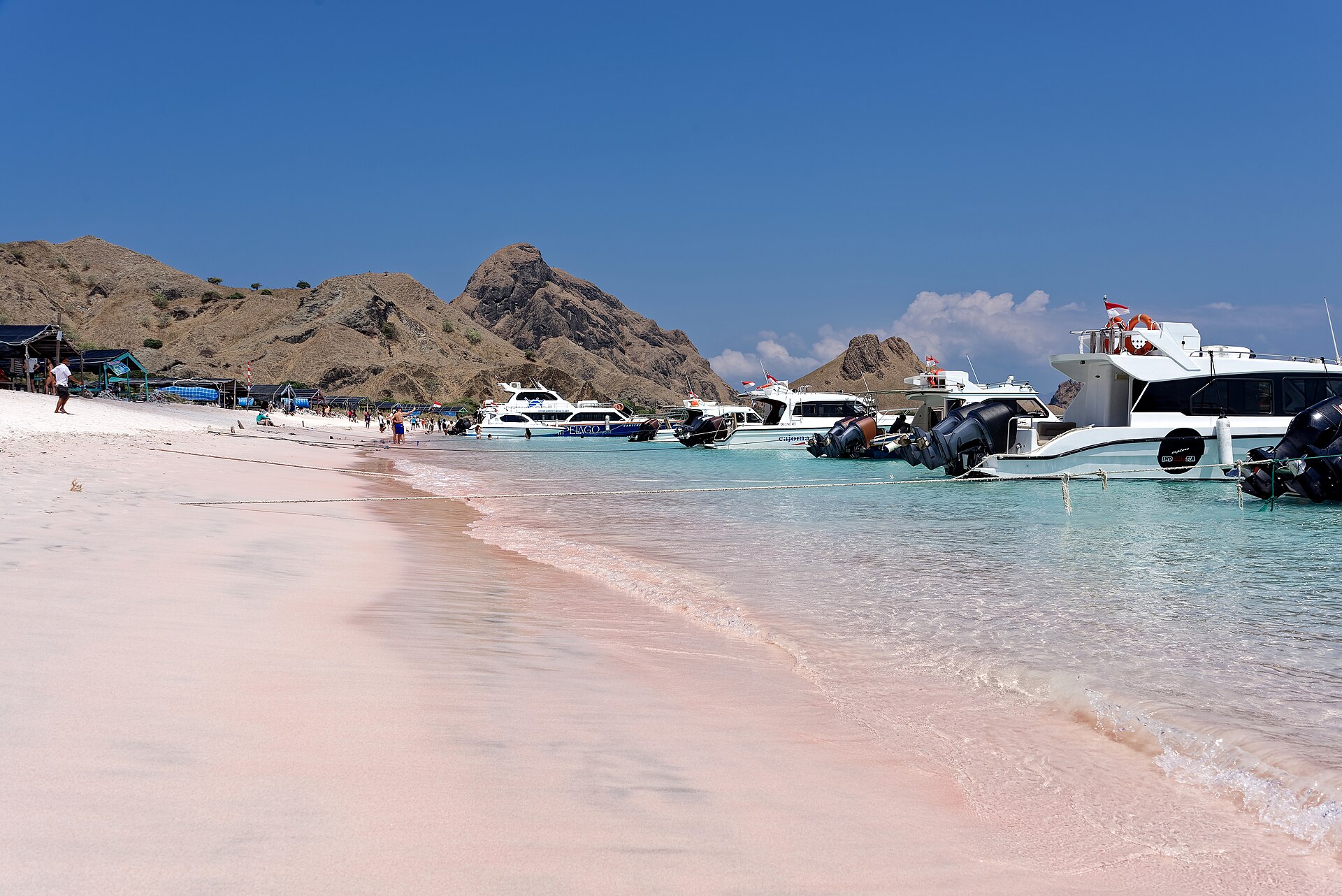
Komodo Day Trip by Speedboat
The best way to see the highlights of Komodo National Park in one day.
From USD 90 / IDR 1,450,000 · per person
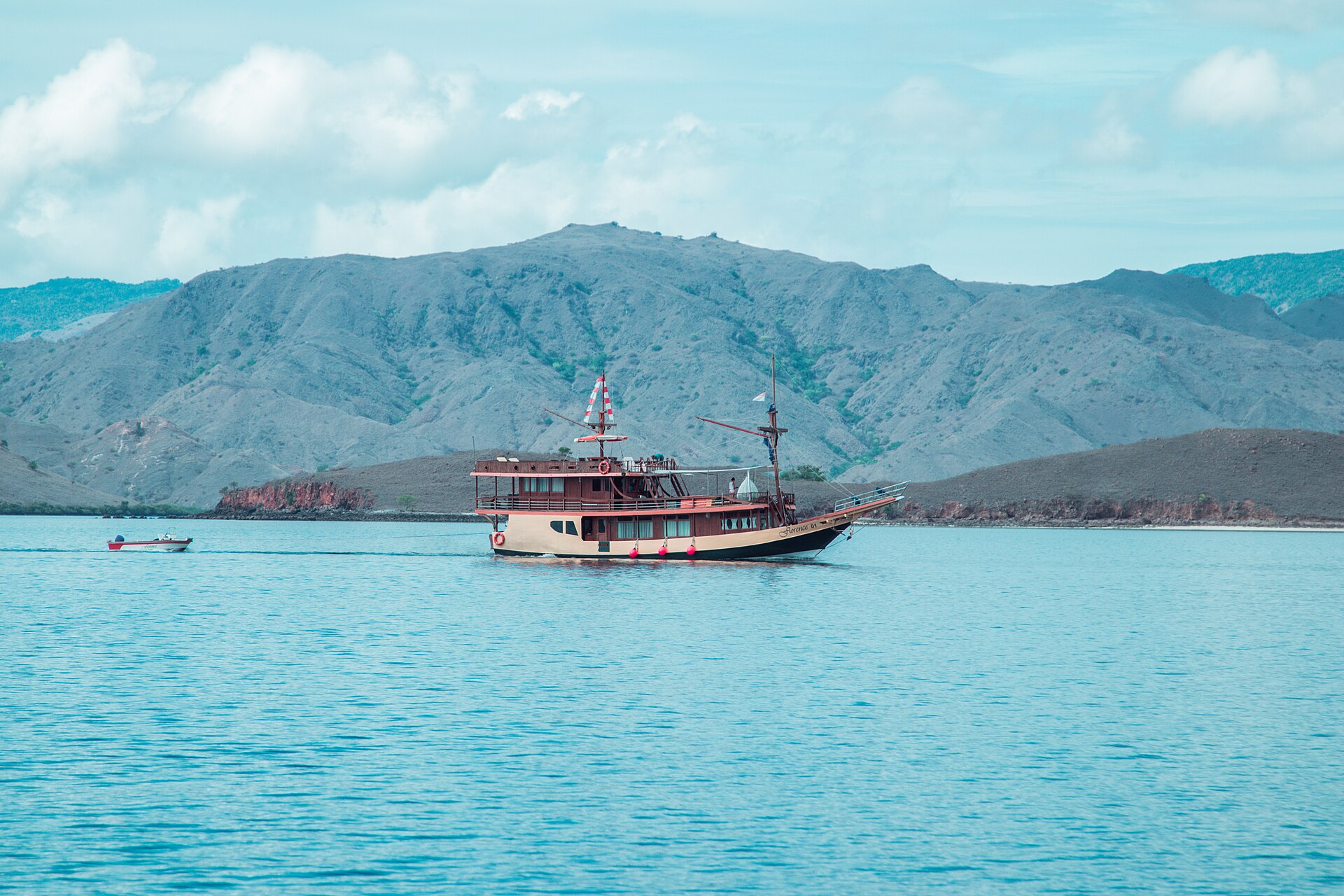
3D2N Phinisi Open Trip
Our most popular trip and the best way to experience Komodo at a relaxed pace.
From USD 170 / IDR 2,800,000 · per person, sharing room
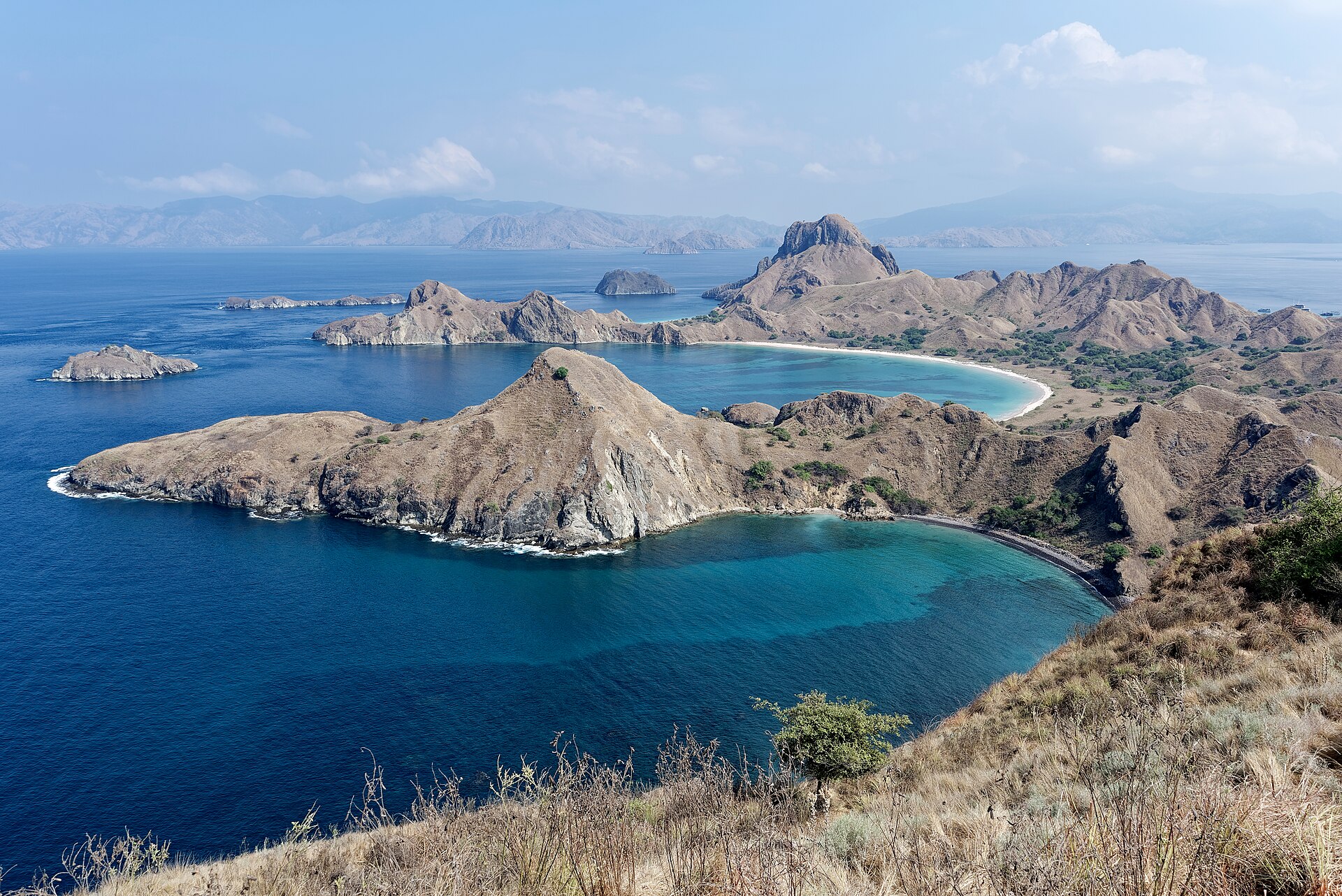
3D2N Private Phinisi Charter
The whole phinisi is yours: cabins, crew, chef and guide.
From USD 2,500 / IDR 40,500,000 · per boat (up to 8 guests, mid-range phinisi)
Frequently asked questions
Are you guaranteed to see manta rays at Manta Point?
No sighting of wild animals is guaranteed, but Manta Point is one of the most reliable manta sites in Indonesia. Boats often make several drifts if the first one is quiet.
Are manta rays dangerous?
No. Reef mantas are gentle plankton feeders with no stinging barb and no teeth to bite with. The main risk at Manta Point is the current, not the animals.
When is the best time to see mantas in Komodo?
Mantas are seen year-round. At Manta Point the wet season, roughly December to March, is often the busiest for mantas, while visibility is usually better in the dry season.
Can non-swimmers snorkel at Manta Point?
Weak swimmers can join with a life jacket and stay close to a guide, but the current can be strong. Complete non-swimmers can often see mantas from the boat on calm days.
Can I touch the manta rays?
No. Touching harms their protective skin coating and is prohibited. Keep at least three metres away and let the mantas approach you.
More destinations
Want to see it for yourself?
Tell us your dates and the places you would like to visit – we put together the best trip for you.