Pink Beach Komodo: Why the Sand Is Pink, Snorkelling & Tips
Pink Beach Komodo is one of only a handful of pink-sand beaches in the world, with a lively reef just off the shore. Here is why the sand is pink, which beach tours visit and how to enjoy it without harming it.
Quick facts
| Location | Pantai Merah, north-east Komodo Island, Komodo National Park |
|---|---|
| Boat time from Labuan Bajo | About 1.5–2 hours by speedboat |
| Why it is pink | Fragments of red foraminifera and red coral mixed with white sand |
| Activities | Swimming, snorkelling, beach time, short walk to a small viewpoint |
| Best light for colour | Mid-morning to early afternoon, in sunshine |
| Time needed | 1–1.5 hours on a typical tour |
What is Pink Beach Komodo?
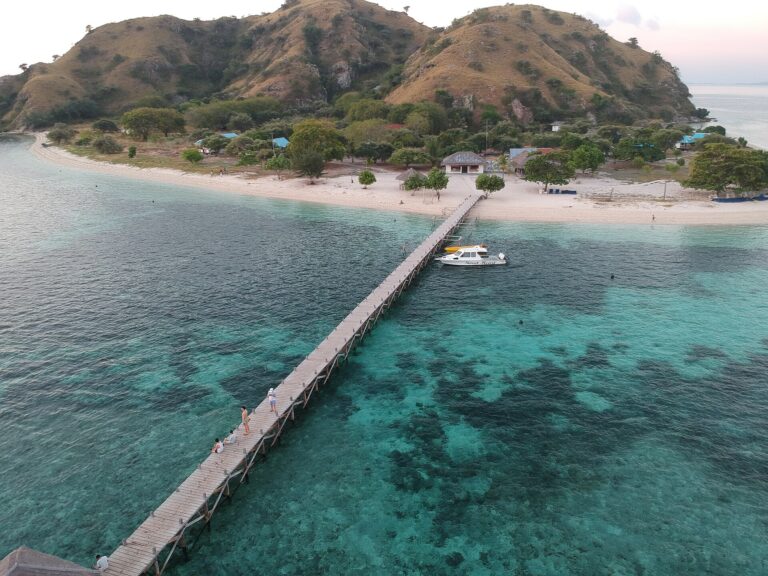
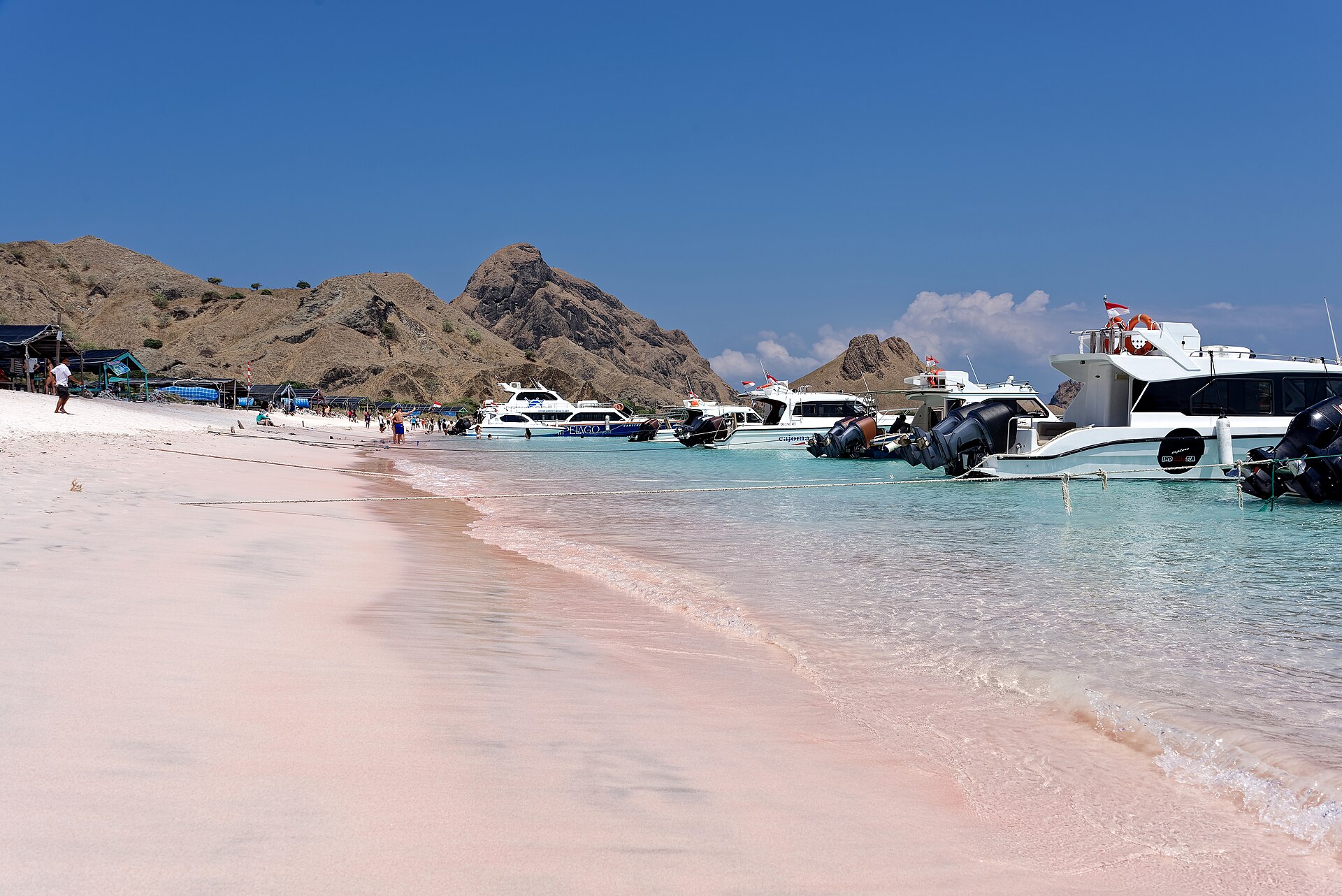
Pink Beach Komodo is a crescent of soft, rose-tinted sand on Komodo Island, backed by dry hills and fringed by one of the easiest snorkelling reefs in the park. Locally it is called Pantai Merah, the red beach. Pink-sand beaches are rare worldwide, and seeing the colour glow along the waterline on a sunny day is one of the highlights of a trip from Labuan Bajo.
Be prepared for the colour to be softer than in heavily edited photos. In bright sun, and especially where the sand is wet, it is a clear salmon pink. Higher up the beach, or under cloud, it looks closer to pale peach. That natural shade is part of its charm.
Why is the sand pink?
The colour comes from the reef itself. Mixed in with the ordinary white sand, made from broken coral and shells, are countless tiny red fragments. Most come from foraminifera, single-celled marine organisms with red shells that live on the underside of corals and rocks. When they die, waves break their shells into grains and wash them ashore.
Pieces of red organ-pipe coral and other red-pigmented reef life add to the effect. The mix of white and red grains gives the beach its pink tone, and the concentration is highest near the waterline, where the waves sort the lighter fragments. Because the colour depends on a healthy reef offshore, protecting the coral is what keeps the beach pink.
Which pink beach do tours visit?
There are several pinkish beaches in Komodo National Park, which can be confusing when comparing itineraries. The one most tours mean by Pink Beach is Pantai Merah on the north-east side of Komodo Island, a short boat ride from the Loh Liang ranger station. It is easy to combine with a Komodo dragon trek and has the best snorkelling of the pink beaches.
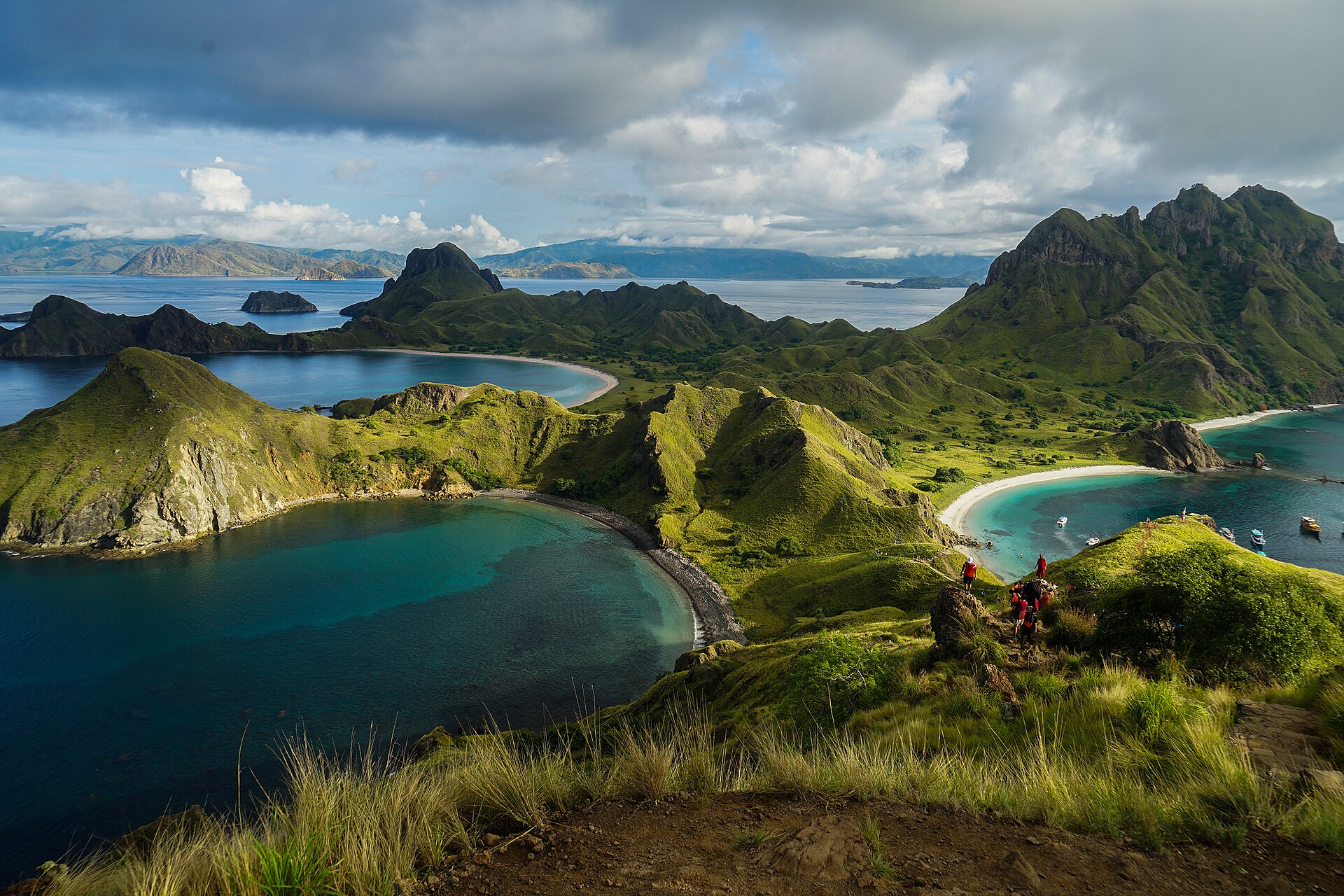
A second, quieter pink beach lies on the southern side of Padar Island, sometimes called Long Beach, which is visited by some boats after the Padar viewpoint. You can also spot pink-tinged bays from the top of Padar itself. If seeing a particular pink beach matters to you, ask your operator which one is on the itinerary.
Snorkelling the reef at Pink Beach
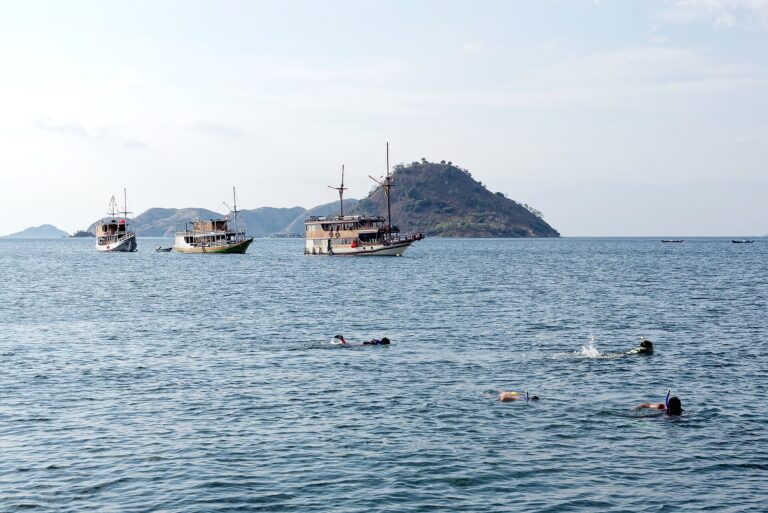
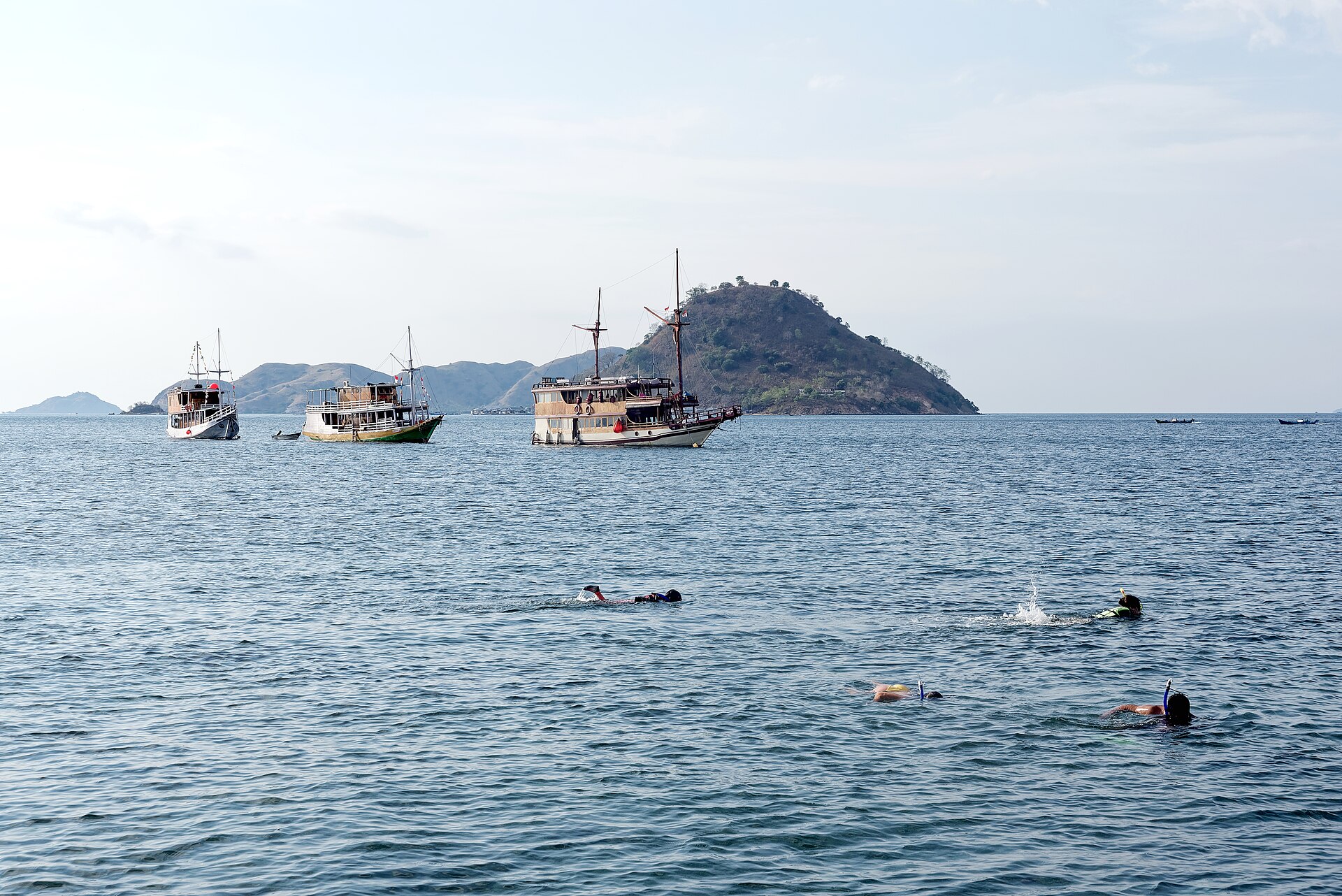
The reef starts just a few metres from the sand, so you can walk in and start snorkelling without a boat drop. In the shallows you will find hard and soft corals, giant clams, anemones with clownfish and schools of colourful reef fish such as parrotfish, butterflyfish, damselfish and fusiliers. Sightings of turtles, moray eels and blue-spotted rays are not unusual.
Conditions are usually gentle, which makes Pink Beach a good first snorkel for beginners and children. Currents are generally mild close to shore but can pick up further out and around the points, so stay within sight of your boat crew and do not drift too far along the reef. Visibility is often best in the dry season and around high tide.
- Snorkel gear is provided on most tours; a well-fitting mask makes a big difference.
- Wear a rash guard or long-sleeved swim top for sun protection in the water.
- Use reef-safe sunscreen or, better, cover up with clothing.
- Life jackets are available for weaker swimmers and are recommended.
Tips for the best visit
The pink is strongest in bright sunlight, from mid-morning to early afternoon. Clouds and the low light of early morning or evening mute the colour. On a standard day trip, Pink Beach usually falls in the late morning, after Padar and Komodo, which works well for photos.
- For the best photos, shoot along the waterline where the wet sand is pinkest, or from the small hill at one end of the beach.
- Bring water shoes if you have sensitive feet; some sections have coral rubble.
- There is little shade on the beach, so bring a hat and water.
- Long-tailed macaques sometimes visit; keep food and bags closed.
- There are no shops, so bring what you need from the boat.
Protect the reef and the pink sand
Pink Beach is inside a protected national park, and its popularity puts pressure on the reef. The single most important rule is simple: never stand on, touch or kick the coral. In shallow water, float flat on the surface or swim further out rather than putting your feet down. A life jacket helps weaker swimmers avoid standing on the reef.
Taking sand, shells or coral home is not allowed and, collectively, it really does fade the beach over time. Feeding fish is also prohibited, and all rubbish should go back to the boat. Park entry fees are paid per person and confirmed by your operator when booking; part of what you pay supports park management and ranger patrols.
Visiting Pink Beach on a tour from Labuan Bajo
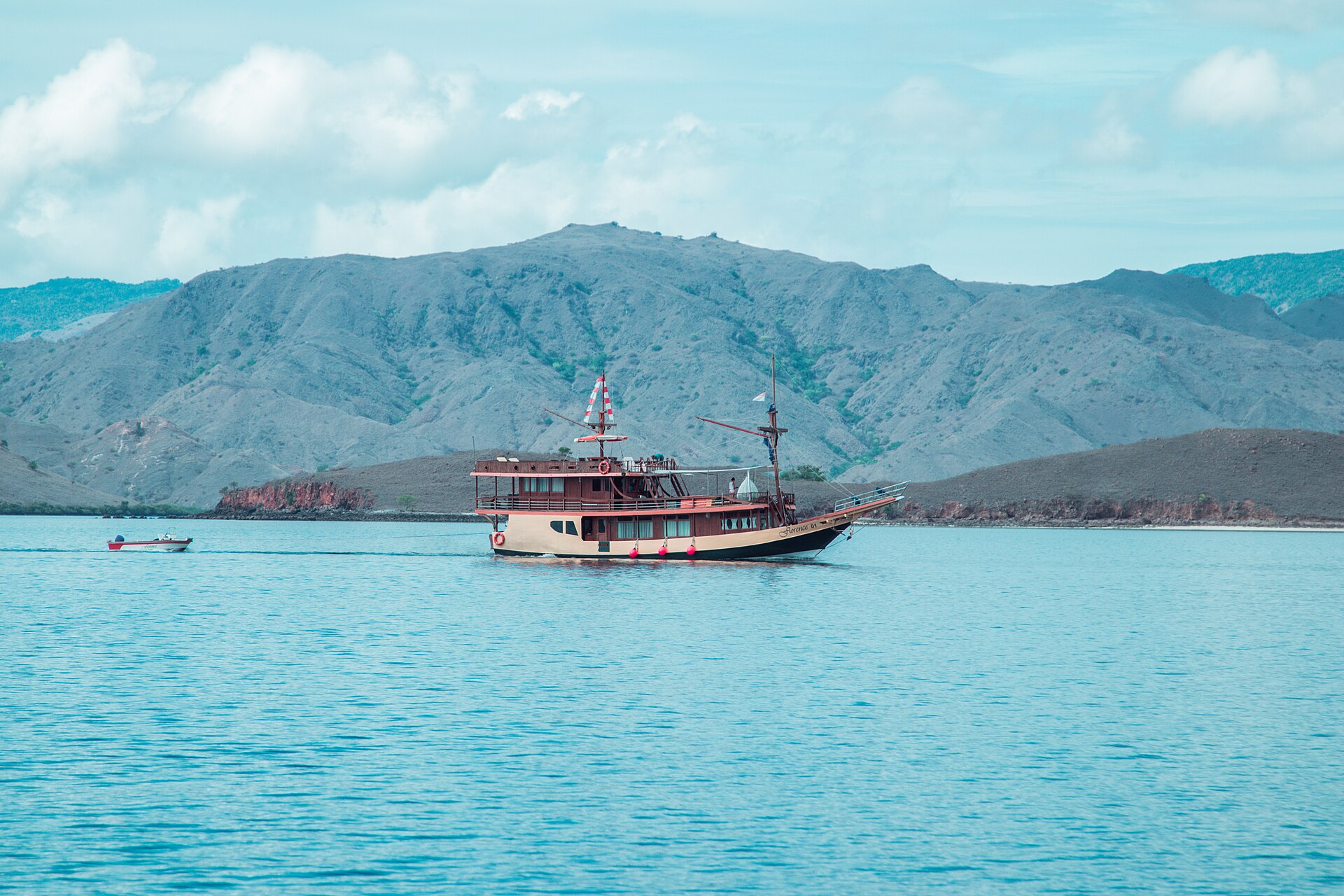
Pink Beach is reached only by boat. Most visitors see it on a one-day speedboat tour from Labuan Bajo, which typically combines Padar Island, Komodo Island, Pink Beach, Manta Point and Taka Makassar. On a two- or three-day boat trip you can time the stop for quieter hours and spend longer in the water. Either way, the crew will choose the best moment for light, tide and crowds.
Pink Beach is beautiful all year. The dry season from April to November brings the most sunshine, calmer seas and the best underwater visibility, while July and August are the busiest months. In the wet season, roughly December to March, there are fewer boats and the hills behind the beach turn green, but cloudy skies can mute the pink. Since 2026 the park has also managed daily visitor numbers, and your operator registers your trip in advance, so it pays to book early for the peak months.
Tours that visit Pink Beach Komodo
Komodo Day Trip by Speedboat
The best way to see the highlights of Komodo National Park in one day.
From USD 90 / IDR 1,450,000 · per person
3D2N Phinisi Open Trip
Our most popular trip and the best way to experience Komodo at a relaxed pace.
From USD 170 / IDR 2,800,000 · per person, sharing room
Private Speedboat Tour
Have a speedboat, captain and guide just for your family or friends.
From USD 650 / IDR 10,500,000 · per boat (up to 6 guests)
Frequently asked questions
Why is Pink Beach in Komodo pink?
The pink comes from tiny fragments of red foraminifera, single-celled organisms with red shells, and pieces of red coral that mix with white coral sand. The colour is strongest along the wet waterline in bright sun.
Is the sand at Pink Beach really pink?
Yes, but naturally so: a soft salmon or peach tone, stronger in sunshine and where the sand is wet. Many online photos are edited to look much brighter.
Can you snorkel at Pink Beach Komodo?
Yes. The reef starts a few metres from the shore and has corals, clownfish, reef fish and sometimes turtles. Conditions are usually calm, making it suitable for beginners.
How do you get to Pink Beach Komodo?
By boat from Labuan Bajo, about 1.5 to 2 hours by speedboat. It is usually included in one-day Komodo tours and in multi-day boat trips.
Can I take pink sand home?
No. Removing sand, shells or coral from Komodo National Park is not allowed, and over time it would make the beach less pink.
More destinations
- Padar Island Guide
- Komodo Island & Rinca Island
- Manta Point Komodo
- Taka Makassar
- Kanawa Island Guide
Want to see it for yourself?
Tell us your dates and the places you would like to visit – we put together the best trip for you.