Komodo National Park Destinations
The islands, beaches and dive sites you can visit on our tours from Labuan Bajo.
Padar Island
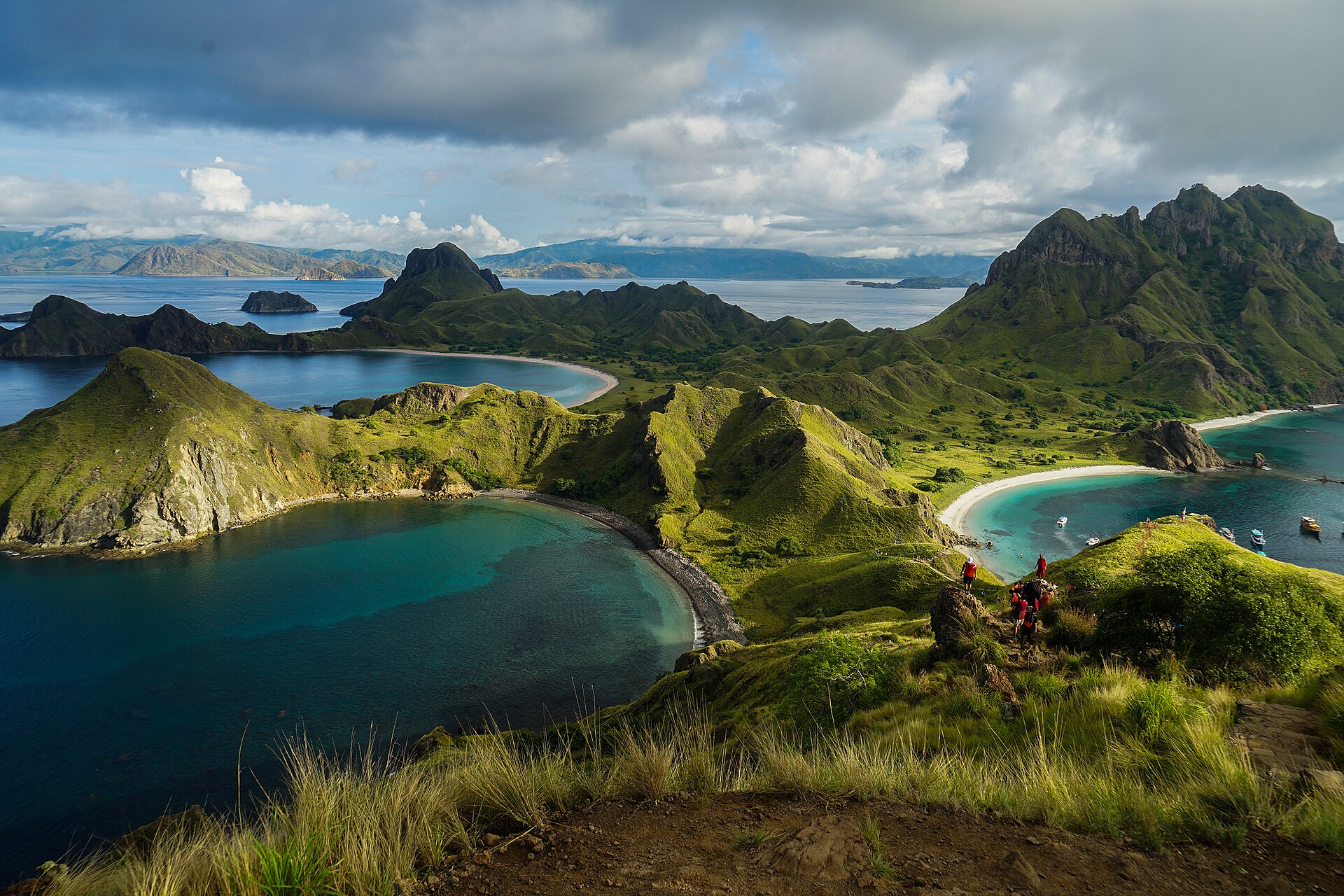
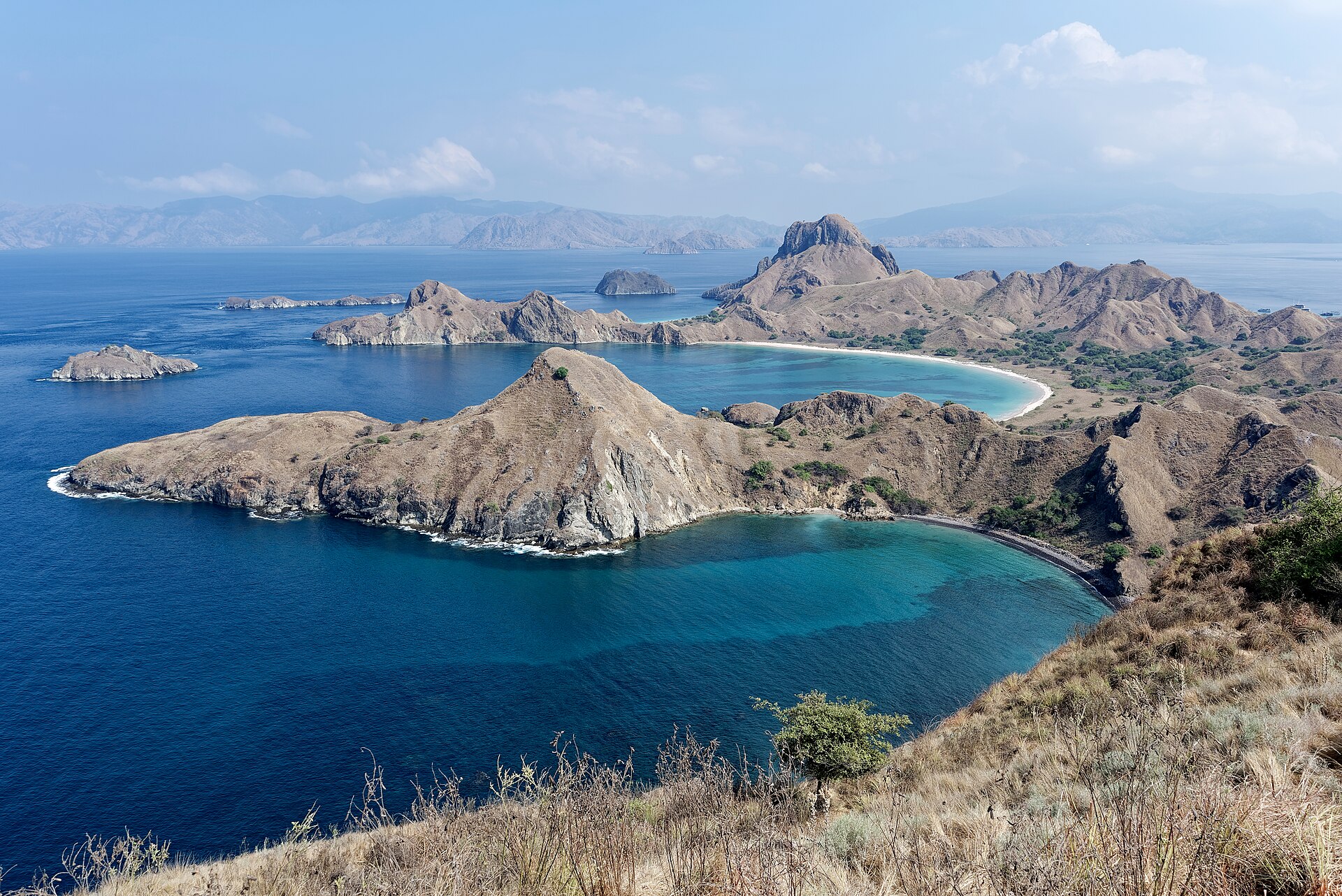
The most photographed place in Komodo National Park. A stepped trail of about 30–45 minutes leads to a viewpoint over three bays with white, black and pink sand. Go at sunrise for soft light, cooler air and fewer people.
Komodo Island & Rinca Island
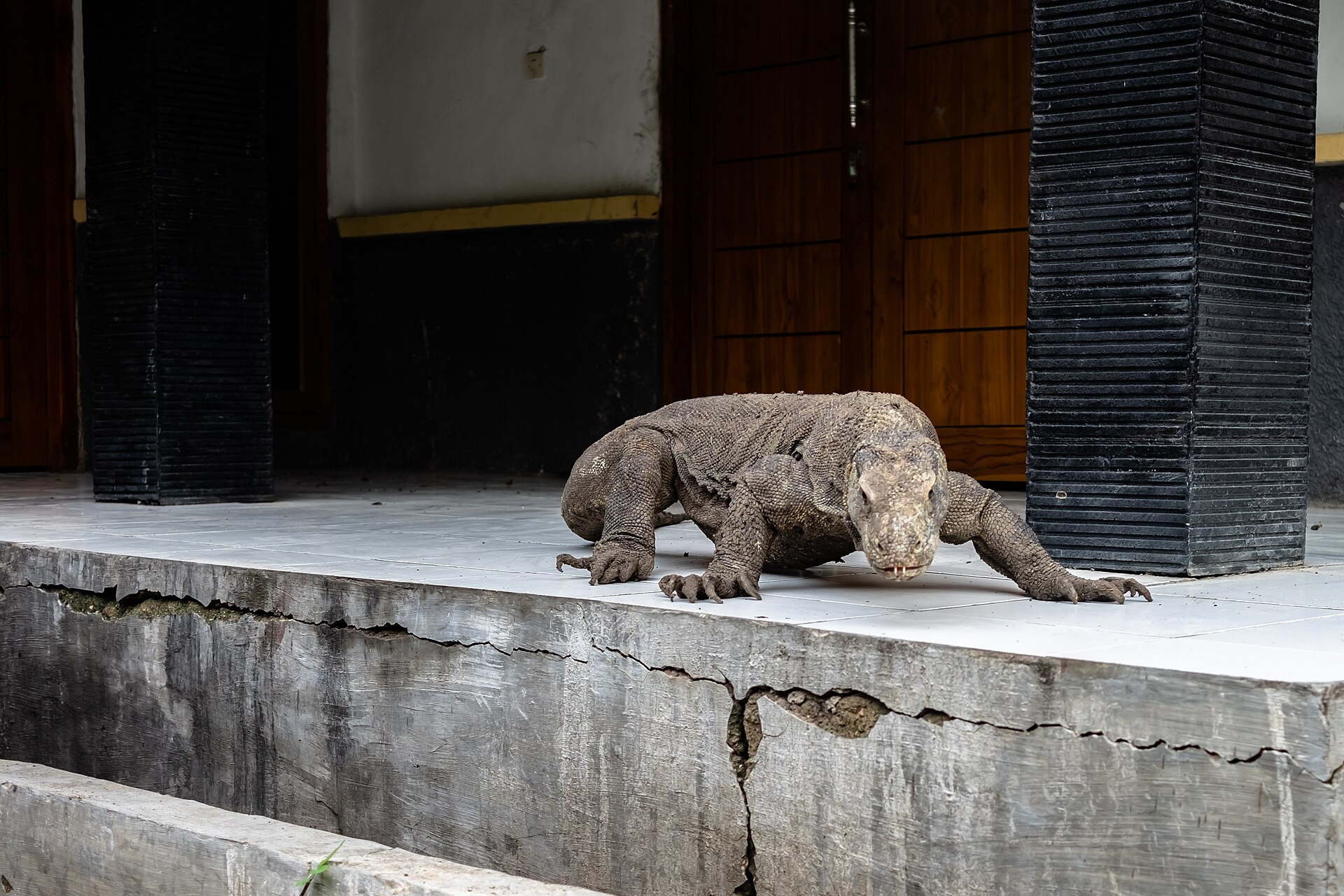
The two main islands where you can see Komodo dragons in the wild, on treks led by park rangers. Komodo Island (Loh Liang) is the largest; Rinca (Loh Buaya) is closer to Labuan Bajo and its trek is shorter. Sightings are very likely but never guaranteed.
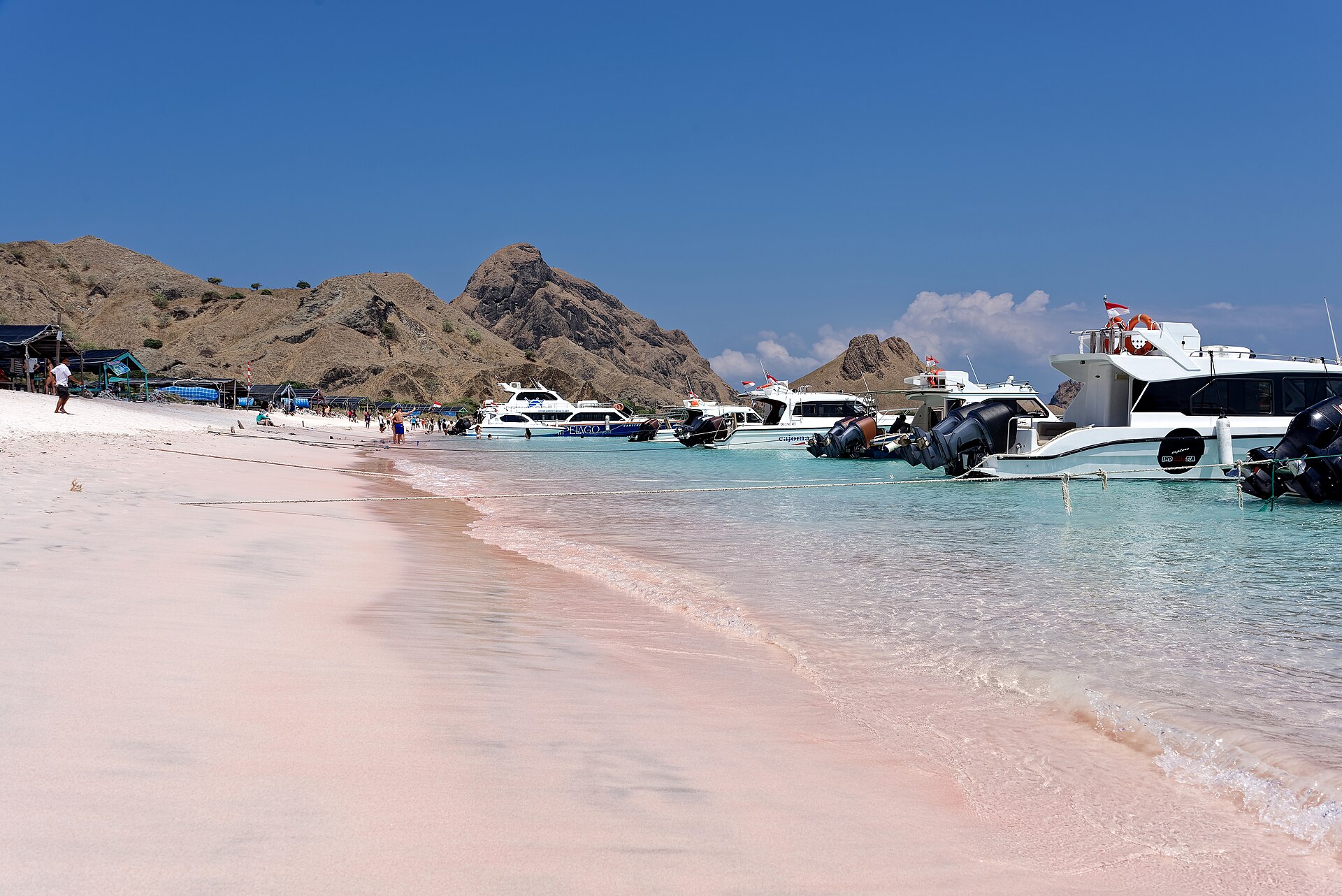
Pink Beach
The sand gets its pink colour from tiny fragments of red coral. The reef starts a few metres from the shore, making it one of the best and easiest snorkelling spots in the park.
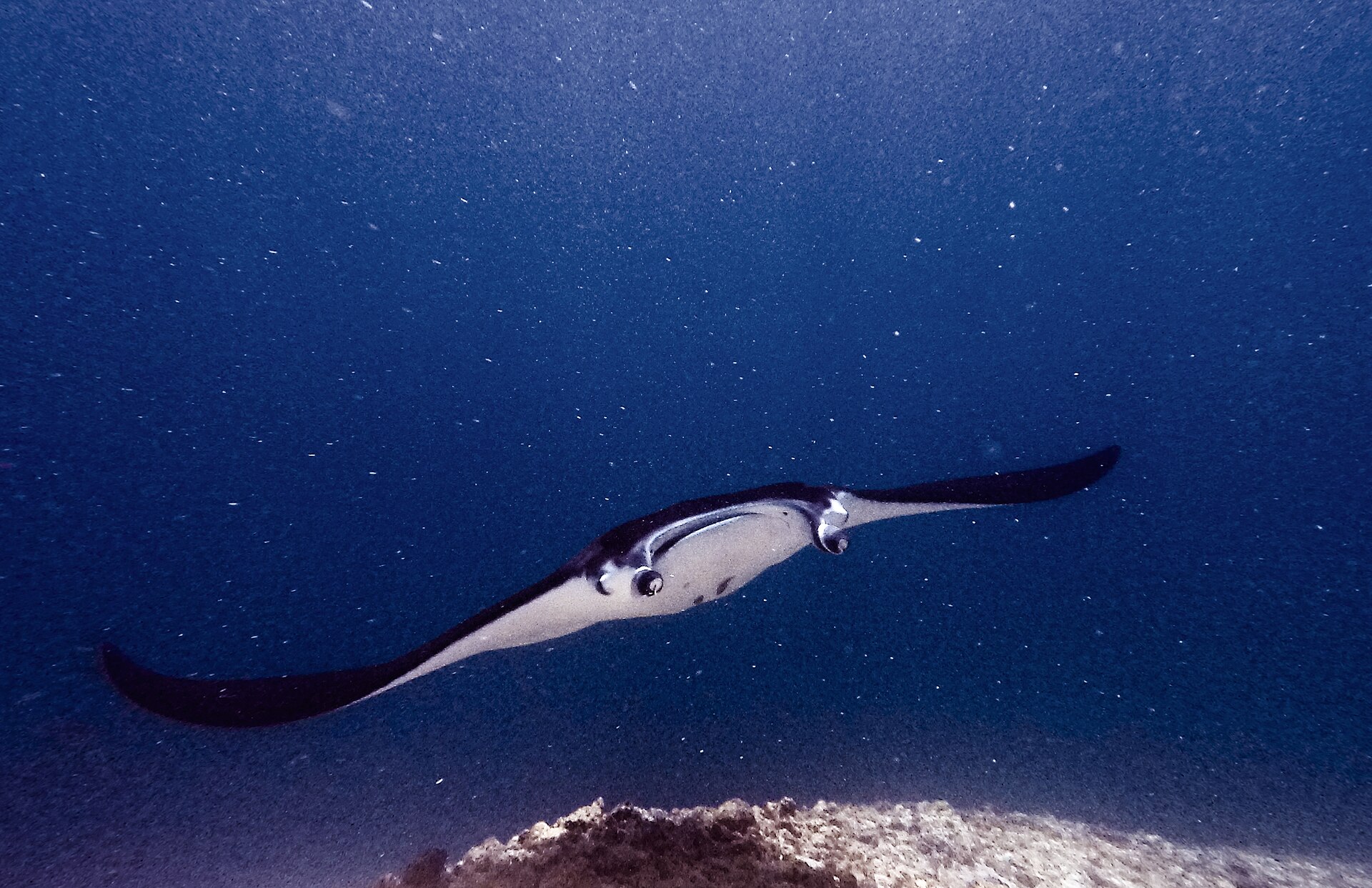
Manta Point (Karang Makassar)
A current-swept channel where reef manta rays come to feed and be cleaned. You snorkel in a drift with your guide while the boat follows. Mantas are seen year-round, with the most reliable sightings in the rainy season.
Taka Makassar
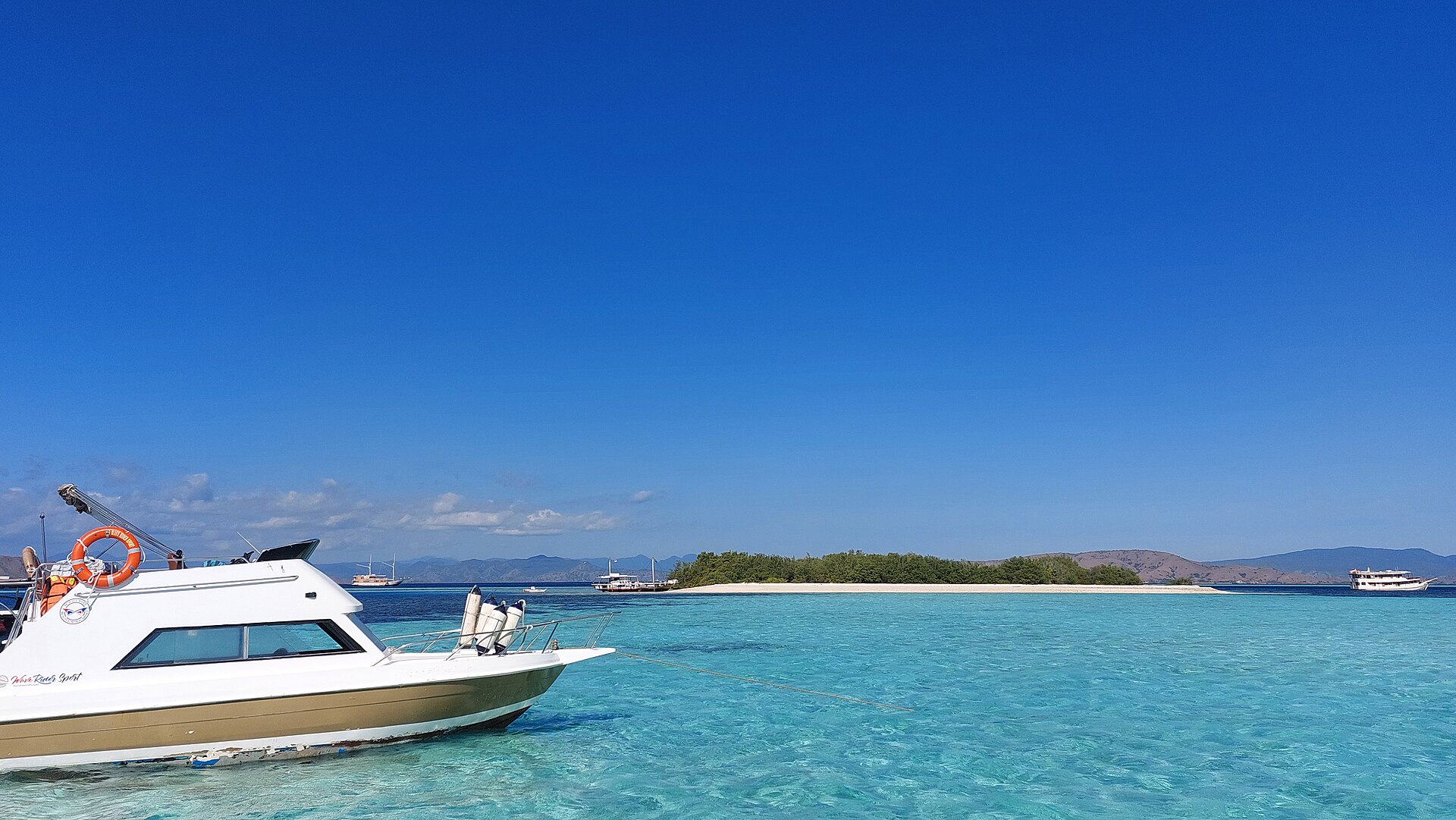
A crescent-shaped sandbar that appears in the middle of the sea at low and mid tide. Perfect for photos and a swim in shallow, turquoise water.
Kanawa Island
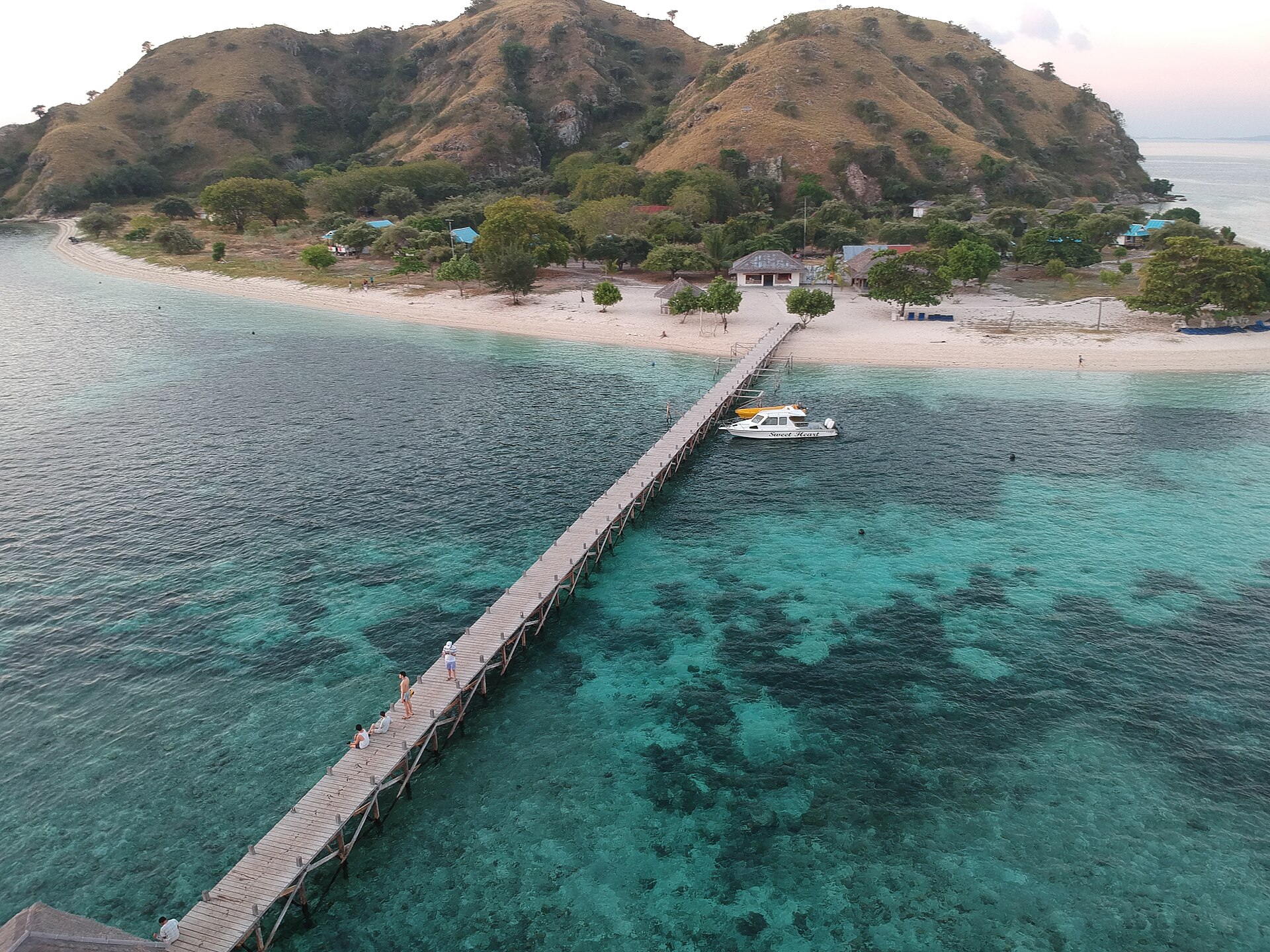
A small island with a long jetty and a healthy house reef full of fish. Turtles are often seen. A favourite last stop on day trips.
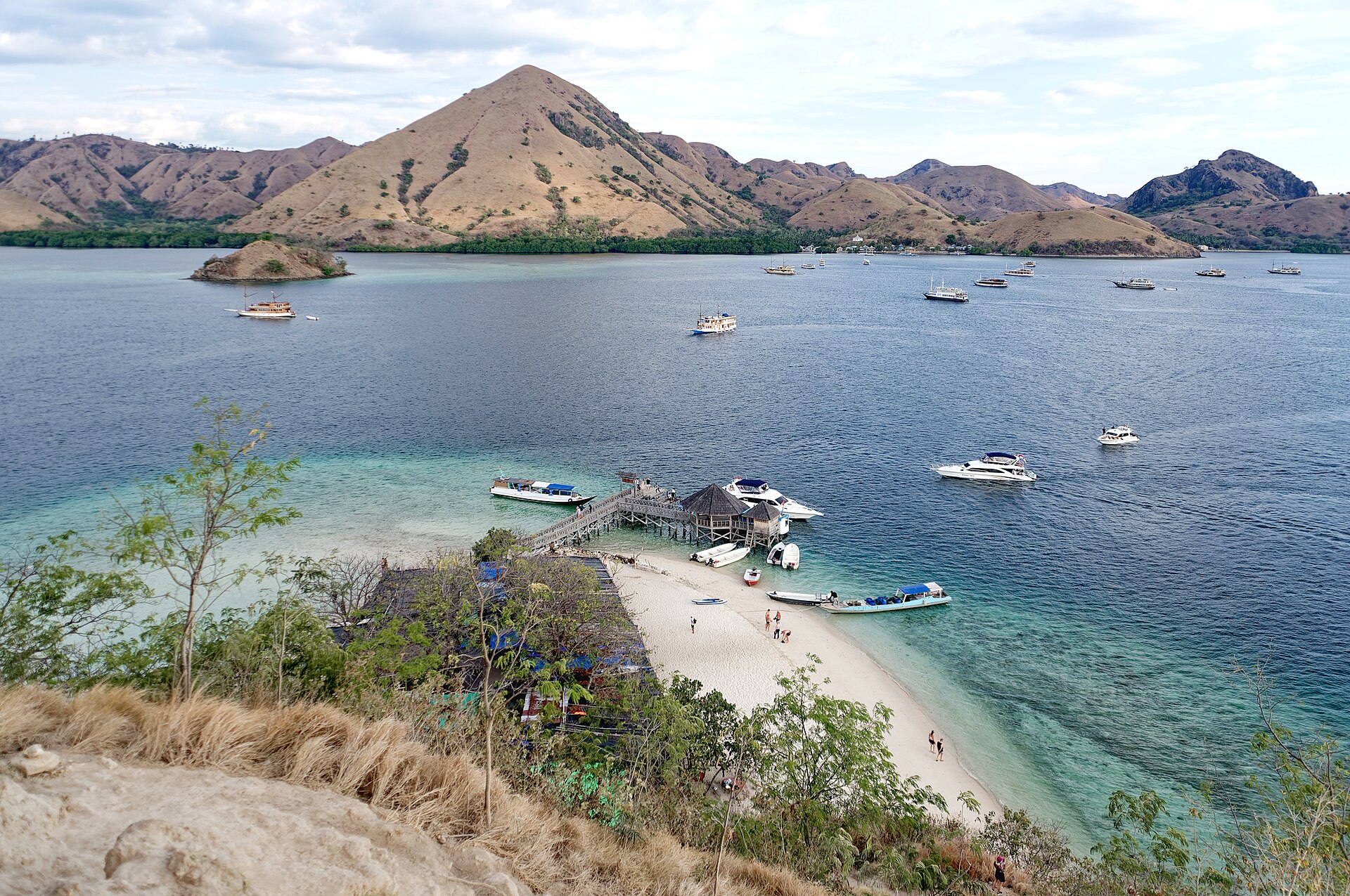
Kelor Island
Close to Labuan Bajo, with a short but steep hike to a panorama over the islands. Usually the first stop on sailing trips and sunset trips.
Manjarite & Siaba Besar (Turtle Bay)
Calm, shallow coral gardens that are ideal for beginners and children. Siaba Besar is known for turtles feeding on the seagrass.
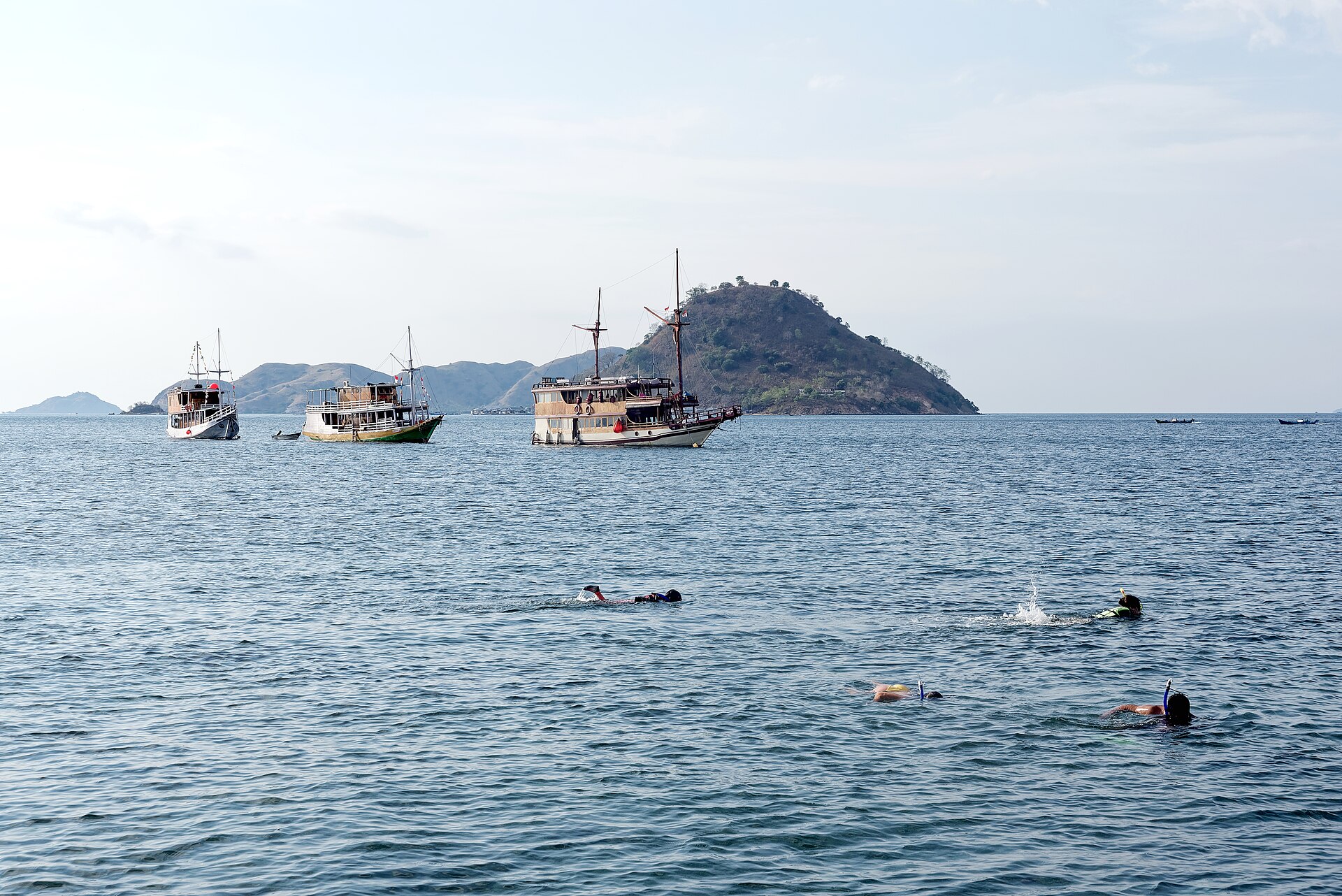
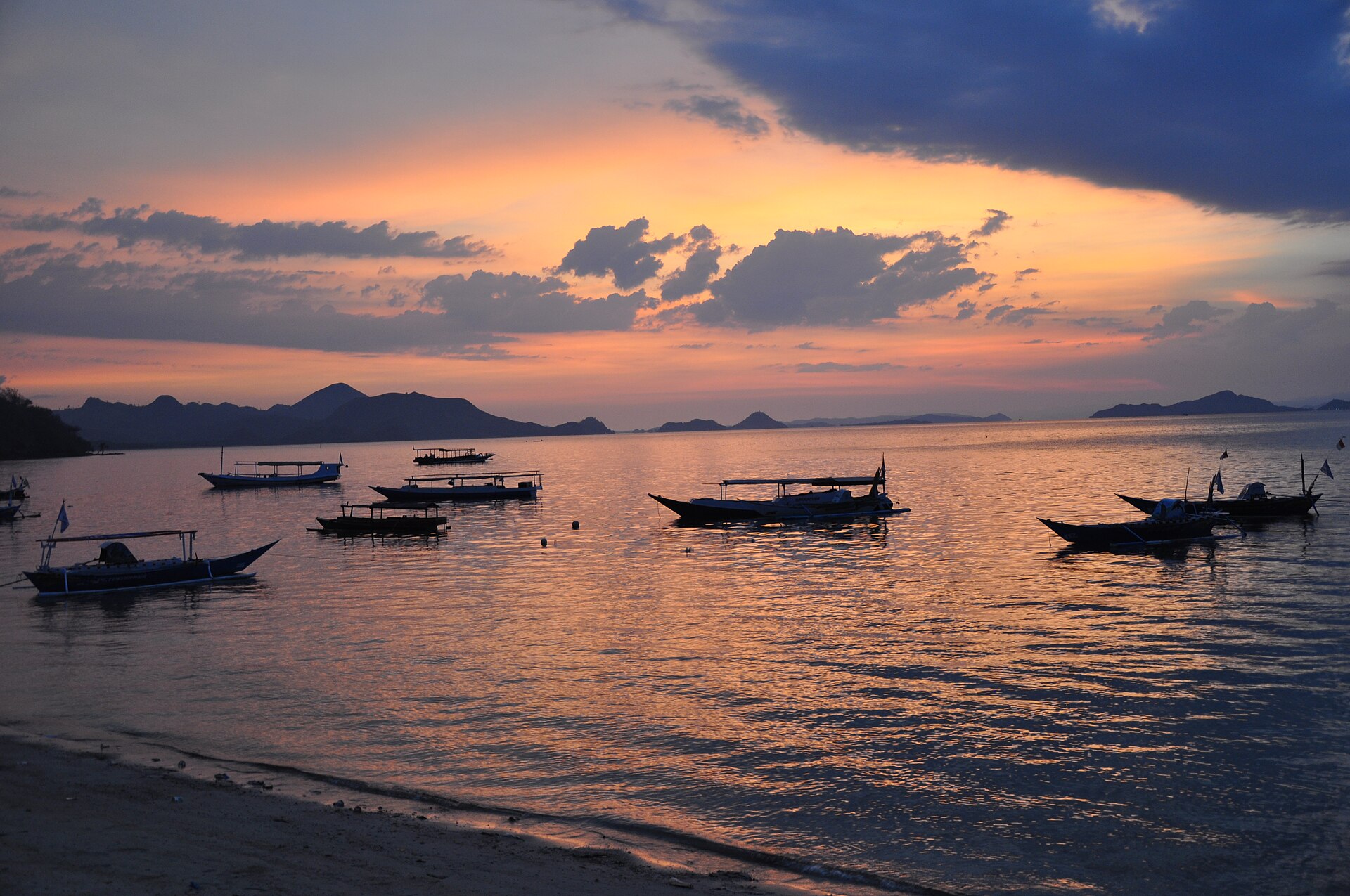
Kalong Island
At sunset, thousands of large fruit bats (flying foxes) leave the mangroves of Kalong Island and fly over the boats towards Flores. A magical end to the day.
Labuan Bajo town
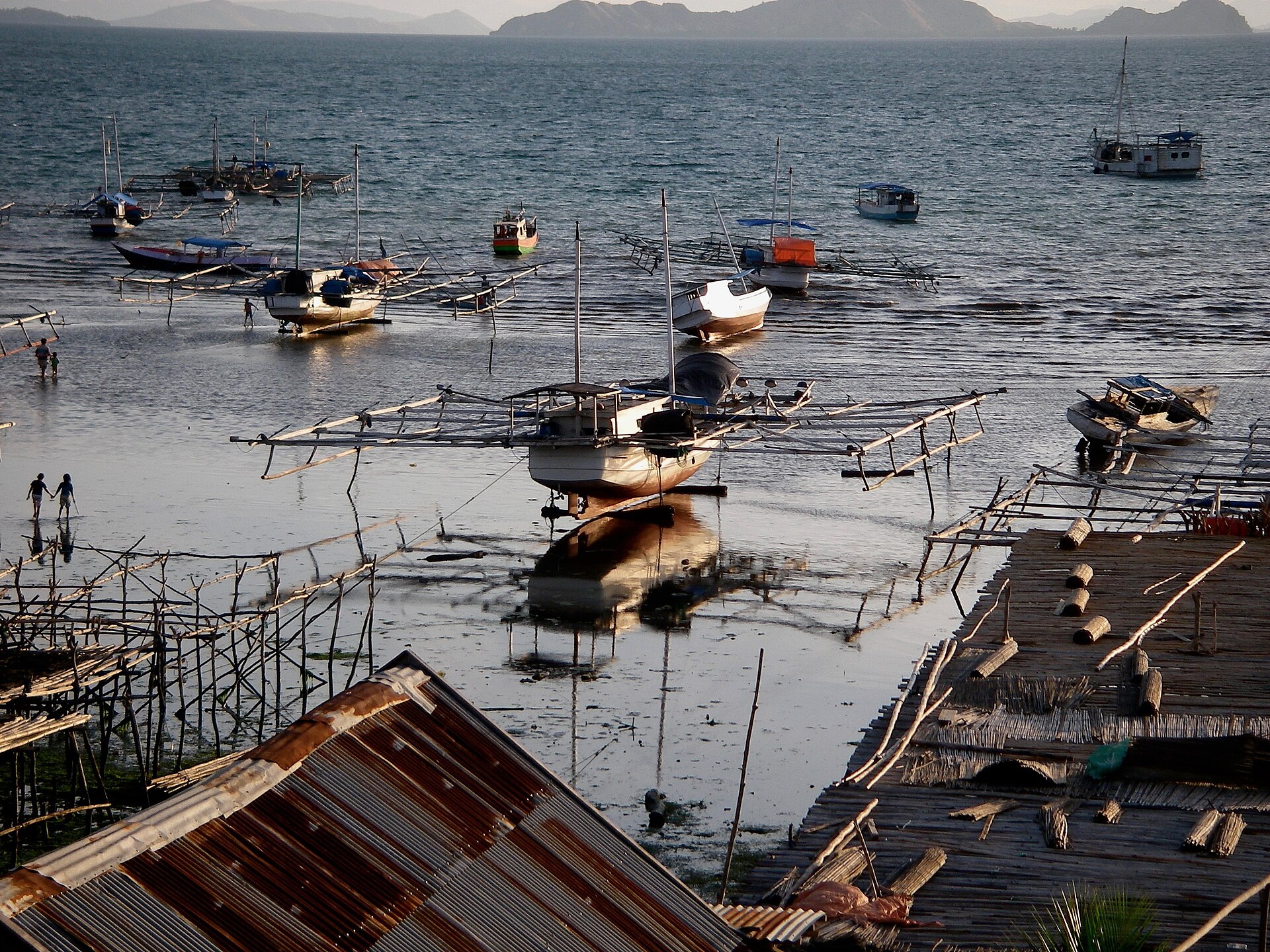
The gateway to the park: a fast-growing harbour town with cafes, sunset bars and viewpoints such as Amelia Sunset Hill. Nearby on Flores you can visit Rangko Cave, Cunca Wulang canyon and the traditional village of Wae Rebo.